

Managing the health of domestic cats diagnosed with diabetes mellitus requires a precise and scientific approach to nutrition. As obligate carnivores, cats possess unique metabolic pathways that differ significantly from humans. Understanding the dietary needs for diabetic cats managing blood sugar is the first step toward achieving clinical remission or, at the very least, a stable and high quality of life. By focusing on biological requirements rather than convenience, owners can significantly improve insulin sensitivity and prevent dangerous fluctuations in glucose levels.
- Prioritize high protein content (40-50% on a dry matter basis).
- Strictly limit carbohydrates to less than 10%.
- Maintain a consistent feeding schedule aligned with insulin injections.
- Monitor caloric intake to prevent obesity and improve insulin response.
Understanding the feline metabolism and blood sugar regulation
To master cat care for a diabetic pet, one must first recognize that cats are physiologically designed to process animal proteins and fats. Unlike omnivores, they have a limited capacity for carbohydrate metabolism. When domestic cats consume high-starch diets, their blood glucose levels spike, placing an immense burden on the pancreas. Proper dietary needs for diabetic cats managing blood sugar involve mimicking a natural 'ancestral' diet to minimize these spikes.
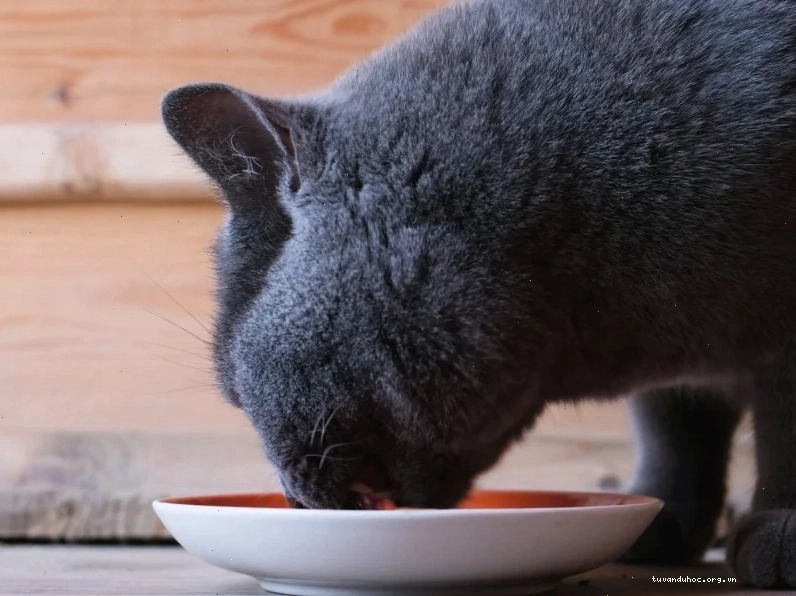
The biological role of high protein in diabetes management
Protein is the cornerstone of any diabetic cat diet plan. It provides a steady source of energy through gluconeogenesis without the rapid glucose surges associated with starches. Scientific studies suggest that diets containing at least 40% to 50% protein help maintain lean muscle mass, which is critical for cat health. When the body has sufficient protein, it can regulate energy expenditure more efficiently, reducing the risk of diabetic ketoacidosis.
Critical nutritional components for glycemic control
Achieving stable glycemic control requires a strict balance of macronutrients. Veterinary professionals emphasize veterinary recommended nutrition that focuses on the 'Low Carb, High Protein' (LCHP) model. This strategy directly addresses the underlying insulin resistance often found in overweight felines.
| Nutrient Type | Recommended Percentage (Dry Matter) | Impact on Blood Sugar |
|---|---|---|
| Protein | 40% - 50% | Provides sustained energy and preserves muscle. |
| Carbohydrates | < 10% | Prevents rapid postprandial glucose spikes. |
| Fiber | Moderate (Variable) | Slows glucose absorption in the intestines. |
| Fats | Moderate | Essential for fat-soluble vitamins and satiety. |

The necessity of low carb cat food
Switching to low carb cat food is perhaps the most impactful change an owner can make. Most commercial kibbles contain 30% to 50% carbohydrates to maintain their shape. In contrast, dietary needs for diabetic cats managing blood sugar dictate a carbohydrate ceiling of 10%. Reducing these sugars allows the pancreas to rest and may even lead to 'diabetic remission,' where the cat no longer requires insulin therapy.
Effective feeding strategies for diabetic cats
Consistency is just as important as the ingredients themselves. A diabetic cat diet plan must be strictly timed. Feeding your cat at the same time every day—ideally right before or during insulin administration—ensures that the peak action of the insulin coincides with the absorption of nutrients. Most experts recommend two main meals daily, though some cats benefit from multiple small, low-carb snacks to prevent hypoglycemia.

While managing internal health, owners should also be aware of external threats to cat health. For instance, cats with weakened immune systems due to diabetes may be more susceptible to ear mites or tick-borne diseases. Vigilance in overall hygiene and preventative care is vital. Additionally, keep your cat safe from rare feline illnesses and learn about bobcat fever in cats to ensure comprehensive protection.
Choosing between wet food and dry food for diabetic felines
When evaluating dietary needs for diabetic cats managing blood sugar, wet food is generally superior to dry food. Canned formulas naturally contain higher moisture levels and significantly lower carbohydrate counts. Moisture is crucial because diabetic cats are prone to dehydration and secondary urinary tract issues. If a cat refuses wet food, specific veterinary recommended nutrition brands offer high-protein dry formulas, but these must be monitored closely for their caloric density.

Incorporating environmental enrichment
A healthy cat is an active cat. While your feline is recovering, providing visual stimulation can reduce stress. For example, setting up a window perch where they can observe the outdoors can be beneficial. Many owners enjoy learning about the wildlife their cats watch; you can explore egret species or use an avian species guide to identify visitors. Utilizing bird watching tips and understanding egret habitats or egret identification can make this a shared hobby that keeps your indoor cat mentally sharp.

Summary of expert advice for managing feline diabetes
The journey of managing a diabetic cat is long but rewarding. By strictly adhering to the dietary needs for diabetic cats managing blood sugar, you are giving your pet the best chance at a long, healthy life. Always consult with a veterinarian before making radical changes to a diabetic cat diet plan, especially if the cat is already on insulin, as the dosage will likely need adjustment. Focus on high-quality proteins, eliminate unnecessary starches, and maintain a rigorous schedule. Your dedication to their cat care will manifest in their vitality and improved blood glucose readings.